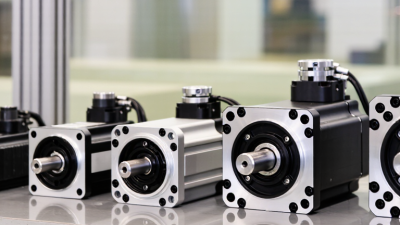
Choosing a high torque linear motor is not simply a matter of selecting the largest force rating. Buyers must connect motor performance with stroke length, acceleration, duty cycle, load guidance, and operating temperature. A motor that looks powerful on paper may overheat during repeated production cycles. That detail is easy to miss.
Dr. Kevin Craig, a recognized mechatronics educator and motion-control specialist, often stresses a practical design principle: “Motion performance must be judged in the complete system, not by one impressive specification.” This principle fits high torque linear motor selection closely. The motor, amplifier, encoder, bearings, and machine frame must work together. Otherwise, torque becomes an expensive number with limited value.
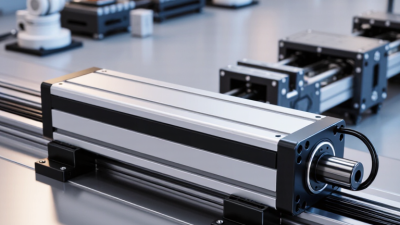
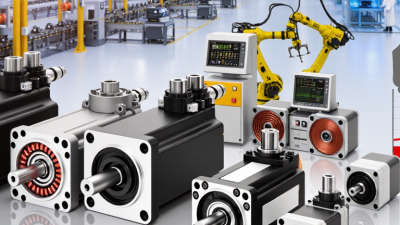
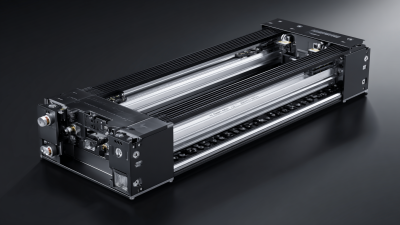
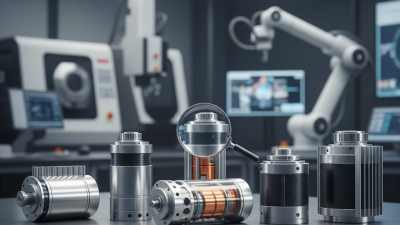
This guide examines ten high torque linear motor types for industrial buyers. It considers tubular, flat, iron-core, ironless, moving-coil, and specialized synchronous designs. Each type offers a different balance of force density, precision, heat control, moving mass, and installation complexity. Some models deliver strong peak thrust but require careful cooling. Others provide smoother motion but cost more or need tighter alignment.
Real buying decisions are rarely perfect. A factory may prioritize force today, then discover that noise, heat, or maintenance matters more after installation. That is why specifications should be tested against real operating conditions. Review continuous force, peak force, acceleration, feedback resolution, and expected service life. Ask for measured data, not only marketing claims. The best choice may not be the strongest motor. It may be the most predictable one.
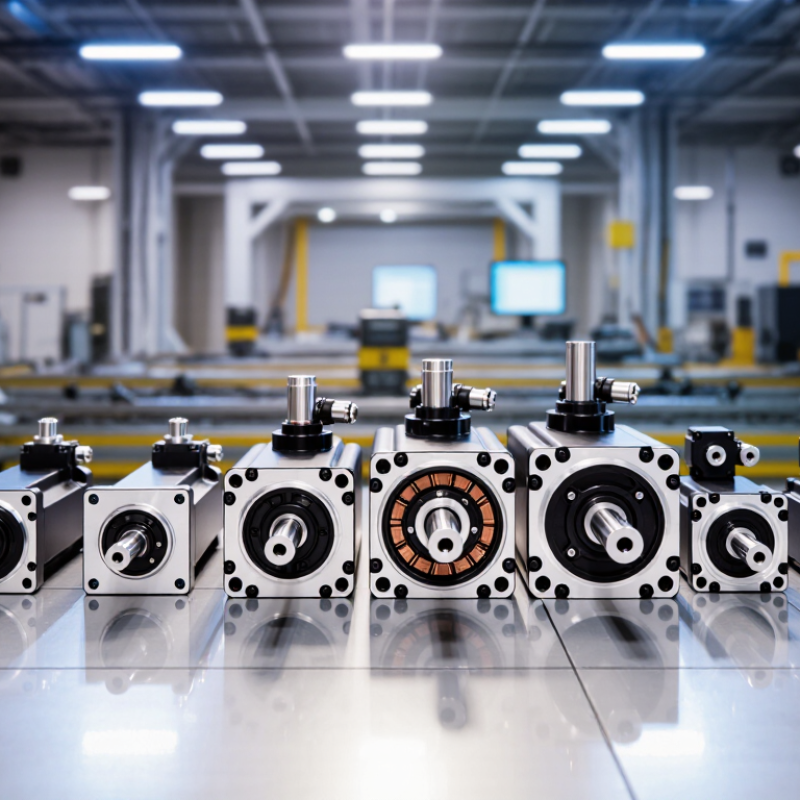
The phrase “high-torque linear motor” needs careful handling. A linear motor produces thrust, not rotary torque. Buyers often use “torque” to describe strong linear force or resistance to twisting. A high-performance unit should therefore deliver high continuous force, high peak force, and stable acceleration. Peak force alone can mislead.
Thermal behavior matters just as much. A motor may produce 2,000 newtons briefly, then reduce output after heating. Check the continuous-force rating, duty cycle, cooling method, and ambient temperature. For vertical axes, holding force and brake requirements deserve attention. Mechanical stiffness also affects accuracy, especially when a carriage moves a heavy load. Small alignment errors can create vibration, noise, and uneven bearing wear.
The International Federation of Robotics reported 541,302 industrial robot installations worldwide in 2023. That figure shows why compact, responsive motion systems are gaining attention. A 2024 Grand View Research study estimated the global linear motor market at about USD 1.2 billion in 2023, with continued growth expected through 2030.
These reports indicate demand, not guaranteed performance. I would compare force charts under identical temperatures and speeds. Some specifications remain optimistic. Ask for measured data, not attractive marketing language.
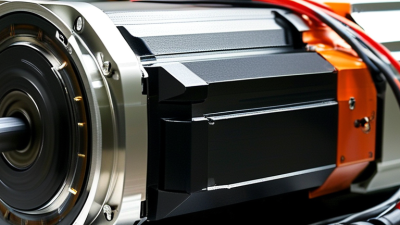
“Torque” needs careful interpretation in linear motion. A linear motor usually produces thrust, not rotary torque. Buyers often use torque to describe resisting force, guide-load moment, or acceleration capability. The electromagnetic principle remains clear: current in a coil interacts with a magnetic field, creating controlled linear force.
Motor topology shapes performance. Iron-core designs deliver high force density, while ironless designs reduce cogging and improve smooth motion. Tubular motors support compact axes, and flat motors suit longer travel. A smaller air gap generally increases magnetic coupling, but alignment becomes more sensitive. According to a 2024 MarketsandMarkets industry report, the linear motor market is projected to grow strongly through 2028, driven by semiconductor, packaging, and automation equipment. Growth does not remove engineering trade-offs.
Thermal design often decides continuous performance. Copper losses rise with current squared, so a brief peak-force rating can mislead buyers. The International Energy Agency reports that electric motors consume roughly 45% of global electricity, highlighting why efficiency and heat control matter. In practice, engineers should compare continuous force, peak force, duty cycle, feedback resolution, and cooling conditions. Keep the guide rails aligned. Even a powerful motor can lose accuracy when mounting tolerances create side loads. Some specifications also omit cable-chain drag and payload changes. That is worth questioning.
When buyers compare high-torque linear motors, force, speed, heat, and accuracy matter more than marketing labels. Linear motors produce thrust rather than rotary torque, but “high torque” often describes demanding motion tasks. Ten common types include tubular, flat iron-core, flat ironless, U-channel, double-sided, voice-coil, moving-magnet, moving-coil, synchronous, and linear induction motors. Tubular designs suit compact machines, while iron-core models deliver strong force in limited space. Ironless and voice-coil types reduce cogging, helping delicate inspection stages move smoothly. Double-sided and synchronous designs can improve force balance, though their control systems may require more tuning.
Tips: Check continuous force, peak force, duty cycle, cooling, encoder resolution, and allowable load offset. Measure the motor after repeated cycles, not only during a short test. Leave room for cables and heat movement. Small details matter.
In practice, a high-force iron-core motor may outperform an ironless type under heavy loads, yet create more vibration. A voice-coil motor offers excellent short-stroke control but may lose efficiency over long travel. Linear induction motors can handle robust transport duties, although positioning accuracy may need additional feedback. Moving-magnet systems reduce cable movement, but their moving mass can affect acceleration. I have seen selections fail because buyers compared peak force alone. That is an easy mistake. The best choice depends on stroke length, payload, acceleration, guide friction, and operating temperature. One overlooked factor can change the ranking.
Selecting a linear motor starts with the load, not the catalog label. Define peak force, continuous force, stroke, speed, and acceleration. A heavy vertical axis may need an iron-core motor, tubular motor, or cylindrical design. These options deliver strong thrust but can create cogging and heat. Ironless, U-channel, and planar motors offer smoother motion. They suit inspection stages and delicate handling. Voice-coil motors work well for short strokes. They are simple, but usually provide limited travel.
Duty cycle matters more than many buyers expect. Measure motion time, rest time, payload mass, and mounting direction. The U.S. Department of Energy’s Motor Systems Market Assessment reports that motor-driven systems use about 69% of electricity in U.S. manufacturing. Small efficiency losses can become expensive over continuous operation. Compare force per watt, cooling needs, encoder resolution, and amplifier compatibility. A high torque rating alone proves little.
Industry reports from MarketsandMarkets describe the linear motor market as growing at a high-single-digit annual rate through the forecast period. That growth reflects demand for faster automation and precise positioning. Yet forecasts vary by scope and region. Treat them as planning references, not purchase evidence. A practical test should include the real guide rail, cable chain, payload, and ambient temperature. A neat spreadsheet can still mislead. Select the smallest motor meeting continuous force, then verify peak performance under actual duty conditions.
When buyers say “high torque” linear motor, they often mean high thrust. Linear motors generate force, not rotational torque. This distinction affects sizing, testing, and supplier discussions. The main options include iron-core, ironless, tubular, U-channel, flat, and voice-coil designs. Each type serves a different motion profile.
Iron-core motors deliver strong peak thrust and suit demanding acceleration. However, cogging may reduce smoothness at low speeds. Ironless motors provide cleaner motion and lower moving mass, but their continuous force can be limited. Tubular motors offer compact construction and good sealing potential. U-channel designs can support short travel systems with balanced magnetic paths. Voice-coil motors respond quickly, though they usually fit shorter strokes.
Check continuous force, peak force, stroke, speed, acceleration, and duty cycle together.
One number is never enough.
Thermal performance deserves practical attention. Measure the motor near its real mounting surface, not only in an ideal test setup. Cooling, cable movement, bearing friction, and payload imbalance can change results. Encoder resolution and feedback latency also influence positioning accuracy. Review force ripple, acoustic noise, ingress protection, and service access before purchasing. A motor rated for high peak force may overheat during repeated cycles. That mistake is common. I would request a motion profile, thermal curve, and sample test under the actual load. Specifications can mislead when application conditions remain vague. Allowance for contamination and alignment errors is wise, even when the machine looks precise.
Sierramotion engineers help customers design solutions to complex motion problems. Whether a simple coil, or a precision motion assembly working in vacuum, Sierramotion has the experience to create a solution that works the first time.