How to Choose a Dry Type Transformer Substation?
Choosing a Dry Type Transformer Substation requires more than comparing rated power and purchase prices. The right decision begins with the site. Measure available space, ambient temperature, humidity, dust, altitude, and expected load growth. These details affect insulation performance, cooling, maintenance access, and service life. A compact indoor unit may suit a clean commercial building. It may perform poorly in a dusty workshop without proper enclosure protection.
Experience matters here. Inspectors and electrical engineers should review the transformer’s voltage ratio, capacity, impedance, insulation class, temperature rise, and short-circuit strength. Cast-resin transformers often provide strong fire safety advantages because they contain no liquid insulation. However, they still require ventilation and regular inspection. “Low maintenance” does not mean “no maintenance.” That assumption causes trouble.
A reliable Dry Type Transformer Substation should also match local codes, utility requirements, and recognized standards such as IEC or IEEE guidance. Ask suppliers for routine test reports, temperature-rise data, factory quality records, and clear warranty terms. Check whether replacement parts and technical support are available nearby. Site acceptance testing can reveal loose connections, abnormal noise, or uneven phase loading before energization. Small findings matter.
There is no universal best model. A lower initial price may create higher operating costs through losses, noise, or difficult servicing. Even experienced teams can overlook future expansion. Leave practical room for cables, airflow, testing, and safe isolation. Careful selection protects equipment, people, and long-term project performance.
What Is a Dry Type Transformer Substation?
What Is a Dry Type Transformer Substation?
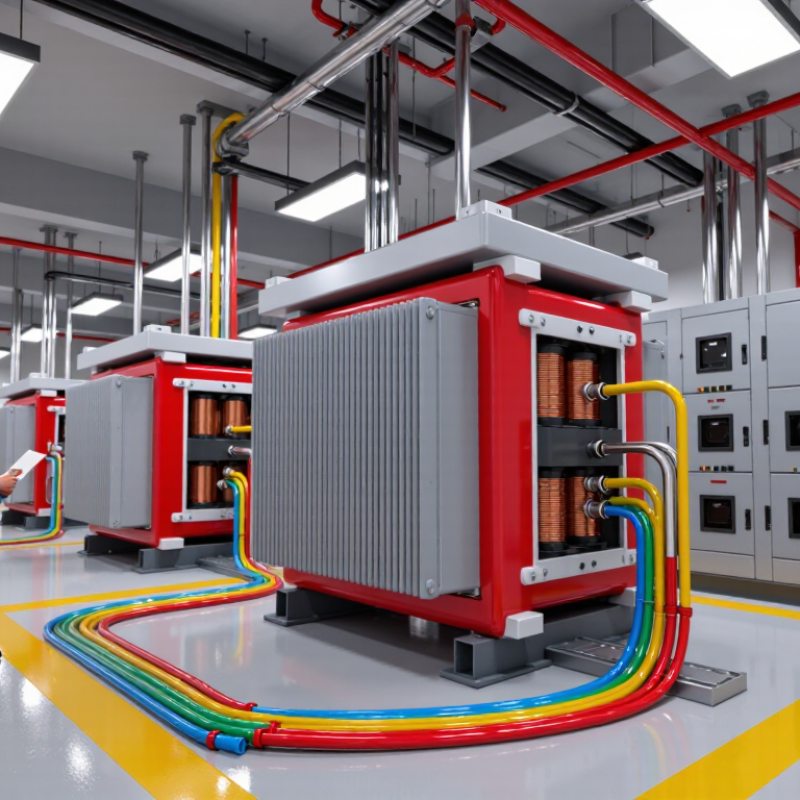
A dry type transformer substation converts medium-voltage electricity into usable low-voltage power without liquid insulation. Its transformer uses air and solid insulation instead. A typical installation includes a transformer, medium-voltage switchgear, protection relays, busbars, and a low-voltage panel. These parts work together inside an enclosure or dedicated electrical room.
It is not maintenance-free. Heat still matters. During site inspections, engineers often check ventilation paths, cable joints, dust accumulation, and unusual humming. A blocked louver can raise winding temperature quickly. Humid rooms may also reduce insulation performance. IEC 60076-11 provides key requirements for dry type transformers, while local electrical codes govern clearances and fire protection. The design should match the building, load profile, and fault level.
The IEA’s Electricity Grids and Secure Energy Transitions report estimates that annual global grid investment must increase from about 300 billion dollars to over 600 billion dollars by 2030. This expansion will increase demand for compact and dependable substations. The U.S. Department of Energy’s 2024 Transformer Supply Chain report also identifies supply constraints and longer procurement risks. That evidence makes early specification important. Buyers should compare temperature-rise limits, short-circuit strength, sound levels, enclosure ratings, and service access. Indoor placement can reduce fire concerns, but it may increase ventilation and noise-control costs. Many selections fail because they focus only on rated capacity. A 1,000 kVA unit may still perform poorly if harmonics, dust, or future load growth were underestimated.
How to Choose a Dry Type Transformer Substation?
What Is a Dry Type Transformer Substation?
This chart shows commonly available dry-type transformer capacity ratings used in commercial, industrial, and infrastructure installations. Select the rating by calculating the connected load, applying demand and future-growth allowances, and checking the required primary voltage, secondary voltage, short-circuit impedance, enclosure, cooling method, and installation environment. The ratings shown are typical market-standard options; final selection must be verified against the project load study and the manufacturer’s technical data.
Which Electrical Requirements Should You Define First?
How to Choose a Dry Type Transformer Substation?
Which Electrical Requirements Should You Define First?
Before comparing transformer sizes, define the electrical conditions clearly. Start with the primary and secondary voltages, system frequency, phase arrangement, and required kVA capacity. Record the present load, starting currents, harmonic-producing equipment, and expected future expansion. A transformer that fits today may become undersized after one production line is added.
Specify the grounding method and acceptable impedance range. Short-circuit calculations are essential for selecting suitable protection and switchgear. Also define the installation altitude, ambient temperature, ventilation, enclosure rating, and available floor space. Dry type units need clean airflow. Dust, moisture, and blocked vents can reduce service life. Local electrical codes and a qualified engineer should verify the final design. A tidy specification can still contain wrong assumptions, so check the load data against actual operating measurements.
Tips: Ask for the load profile, not only the nameplate total. Confirm motor starting conditions. Leave practical capacity for growth, but avoid excessive oversizing, which can increase losses and cost. Review noise limits near offices or occupied rooms. If the substation is indoors, examine fire separation and access for maintenance. Small details matter.
What Site Conditions Affect Substation Design and Placement?
How to Choose a Dry Type Transformer Substation?
What Site Conditions Affect Substation Design and Placement?
A dry type transformer substation should match the site, not only the calculated load. Begin with the available floor area, equipment access, and future expansion space. A narrow room may accept the transformer but restrict maintenance work. That mistake becomes expensive later. Keep clear working paths around terminals, panels, and ventilation openings. Confirm door widths before equipment delivery. Measure twice.
Temperature and airflow strongly affect transformer performance. Natural ventilation may work in a cool, clean room. Hot or enclosed spaces often need mechanical ventilation. Dust, salt air, chemical vapors, and high humidity can damage insulation and reduce service life. Coastal sites require careful enclosure selection and corrosion control. High-altitude locations may need derating because thinner air removes heat less effectively. Cooling calculations should use actual site conditions.
Water risks deserve equal attention. Avoid low points, leaking roofs, and areas near drainage channels. Raise equipment above possible flood levels when necessary. Check seismic conditions, floor loading, vibration, and noise limits before fixing the enclosure. The substation should remain accessible for inspection without disrupting essential operations. Fire separation, electrical clearances, grounding, and emergency access must follow applicable local standards.
I have seen layouts approved on paper but weakened by poor cable routes and blocked airflow. Design reviews should include operators, maintenance staff, and qualified electrical engineers. Their practical objections often reveal what drawings miss.
How Can You Verify Safety, Compliance, and Long-Term Maintenance?
Choosing a dry type transformer substation requires more than comparing capacity and price. Safety, compliance, and maintenance should guide the decision from the site survey onward.
Check the load profile, short-circuit level, ambient temperature, ventilation, and available clearance. A technically suitable transformer can still overheat in a dusty, enclosed room.
Request complete technical documentation, including insulation class, temperature-rise data, enclosure rating, protection settings, and routine test reports. Confirm that testing follows applicable IEC standards and local electrical requirements.
Do not accept a certificate without checking its scope, issuing laboratory, and equipment identification. An independent inspection can reveal loose terminals, damaged insulation, poor grounding, or incorrect cable spacing. Small details matter.
Keep records accessible. During commissioning, measure insulation resistance, winding resistance, and protective conductor continuity. After energizing, use thermal imaging under normal load and compare readings across phases.
Dust is not harmless. Schedule cleaning, torque checks, fan inspections, and alarm testing according to operating conditions, not a generic calendar.
In humid or polluted areas, inspections may need to be more frequent. A common mistake is treating a dry type transformer as maintenance-free. It is not.
Even experienced teams can overlook blocked ventilation or gradual connection loosening. Reviewing near-misses and temperature trends helps improve the maintenance plan before a minor defect becomes an outage.