
Call Today: 916-259-1868

How to Choose Men's Smartwatches for Global Buyers?

Choosing Men’s Smartwatches for global buyers requires more than comparing screen size and battery claims. The right model must match a buyer’s daily routine, smartphone ecosystem, climate, and local service options. A traveler may need reliable GPS in unfamiliar streets. A warehouse worker may value a bright display, physical buttons, and a durable strap. A business user may prefer discreet notifications and secure payment support.

Ramon T. Llamas, a respected wearable technology analyst at IDC, has described the smartwatch as “more than just a watch.” That observation matters when evaluating Men’s Smartwatches across different markets. Buyers should check Android and iPhone compatibility, supported languages, charging standards, cellular bands, and regional payment availability. These details can change by country. A feature shown on a product page may not work everywhere.

Comfort remains easy to overlook. A heavy case can become irritating during an eight-hour workday. A loose sensor may produce unreliable health readings. Battery life also deserves careful testing, not blind trust in laboratory figures. Water resistance is not the same as unlimited protection. Nor does every health feature replace professional medical advice.

There is no perfect choice.

This guide examines the practical signals behind a confident purchase, including software updates, data privacy, warranty coverage, repair access, and long-term value. Some recommendations may remain imperfect because personal habits differ. That is worth admitting. A fashionable watch with weak regional support can disappoint quickly. A simpler model may serve global buyers better.
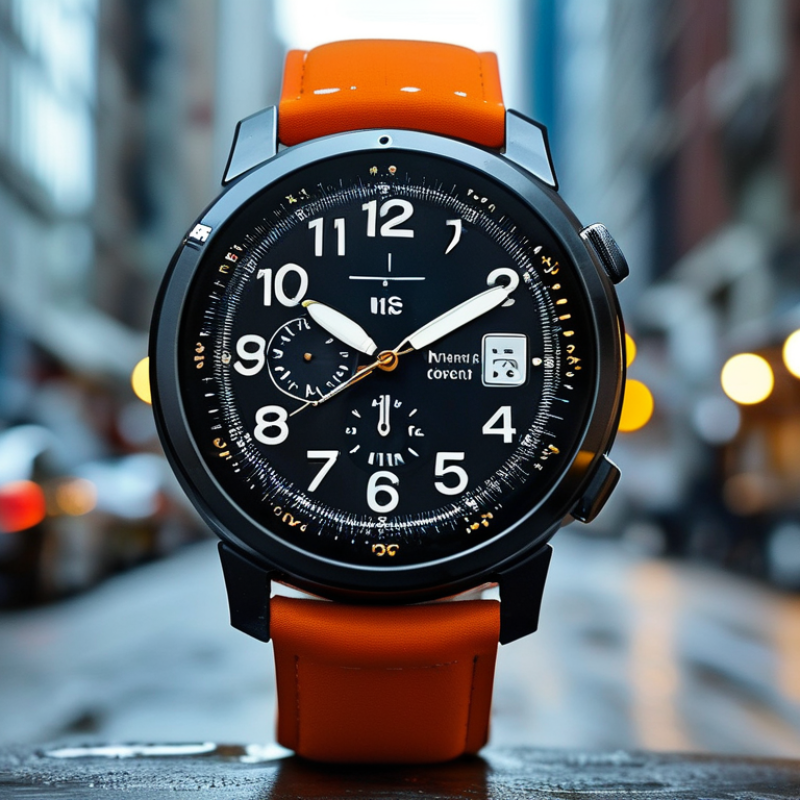
How to Choose Men's Smartwatches for Global Buyers?

Define the Main Uses and Needs of a Men’s Smartwatch

Choosing a men’s smartwatch starts with a real question: what should it do every day?

For office work, clear notifications, call control, calendar access, and a comfortable strap matter most. For training, accurate GPS, heart-rate tracking, workout modes, and water resistance become more important. IDC’s Worldwide Quarterly Wearable Device Tracker reported 611.5 million wearable shipments globally in 2024. That scale shows strong demand, but it does not prove every feature is useful.

Sleep tracking needs a careful view. No device measures sleep perfectly. The American Academy of Sleep Medicine states that consumer sleep technologies should not replace clinical evaluation. Treat sleep scores as guidance, not diagnosis. Battery life also shapes real use. A watch needing daily charging may miss overnight data or weekend activities. Counterpoint Research reported a global smartwatch shipment decline in 2024, suggesting buyers are becoming more selective. Compatibility deserves equal attention. Check phone support, notification limits, app permissions, and language options before purchasing. A bright screen helps outdoors, while a smaller case may suit narrow wrists. I sometimes value simpler controls over a crowded feature list. More functions can create more friction. Privacy settings also deserve a close look, especially when health data and location records are stored online.

Compare Core Features, Sensors, and Health Tracking Functions

Choosing a men’s smartwatch for global use requires more than checking its screen size. Core features should match daily routines, climate, and phone compatibility. Look for reliable notifications, clear call controls, accurate timekeeping, and strong battery performance. A durable case and water resistance also matter during travel, commuting, or outdoor work. Check the stated resistance level carefully. It may not cover every type of water exposure.

Sensors deserve closer attention. Optical heart-rate sensors can track resting rate, exercise intensity, and recovery trends. Motion sensors support step counts, sleep estimates, and workout recognition. GPS helps measure distance and routes, but tall buildings can reduce accuracy. Some watches include skin-temperature or blood-oxygen measurements. These readings can vary with movement, skin contact, cold weather, or loose straps. No sensor is perfect.

Health functions should support awareness, not replace medical advice. Review whether the watch records heart rate continuously or only during selected activities. Sleep tracking may show useful patterns, yet it can misread quiet wakefulness as sleep. I have found that wearing the device consistently matters more than collecting every metric. Still, comfort is often overlooked. A heavy watch may be abandoned after one week. Buyers should also inspect data controls, language options, charging standards, and regional emergency features. Availability and privacy requirements can differ by country, so verify them before purchase.

Evaluate Compatibility, Battery Life, Comfort, and Durability

Global buyers should begin with compatibility, not appearance. Check whether the watch supports your phone’s operating system, required app, languages, and local connectivity bands. IDC reported 520.1 million wearable devices shipped worldwide in 2023, showing how varied this market has become. However, shipment volume does not guarantee smooth regional support. I once tested a watch that paired quickly but lost notifications after a software update. That was inconvenient, and revealing.

Battery claims need practical testing. A stated seven-day life may fall sharply with continuous GPS, calls, bright screens, or health tracking. Compare battery performance under similar settings, not laboratory promises. Comfort also deserves measurement. A heavy case can press against the wrist during sleep, while a stiff strap causes heat and irritation. Look for balanced weight, adjustable materials, readable controls, and a charger that remains secure on a moving desk.

Tips: Keep one charging cycle in your routine. Test the watch during work, exercise, and sleep before judging it. For durability, inspect the official water-resistance rating and usage limits. IEC 60529 defines IP protection levels, but an IP rating does not automatically mean safe swimming. ISO 22810 covers water-resistant watches, yet seals can weaken after impacts or repairs. Think carefully here. “Rugged” is often a marketing impression, not a measured guarantee. Keep invoices, warranty terms, and regional service details, because reliability includes support after purchase.

Check Connectivity, Privacy Controls, Warranty, and Regional Support

Connectivity should be checked before design. GSMA Intelligence reported 5.6 billion unique mobile subscribers worldwide in 2023. Yet cellular smartwatch support remains regional. Confirm LTE bands, eSIM activation, roaming rules, and compatibility with your phone. Wi-Fi calling may not work abroad. A beautiful watch can become a silent wrist ornament.

Privacy needs equal attention. Cisco’s 2024 Data Privacy Benchmark Study found that 94% of organizations believe customers will not buy from companies that fail to protect data. Ask where health records are stored, how long they remain available, and whether account deletion removes cloud backups. Check permission controls for location, microphones, contacts, and sleep data. Read the policy twice. It is still easy to miss one important clause.

Tips: Request written warranty terms before payment. Check battery coverage, repair locations, return deadlines, and shipping costs. Regional support should offer local-language service, clear escalation channels, and spare-part availability. Keep the invoice and serial number. One practical mistake is assuming a global website means global warranty coverage. It often does not. IDC’s Worldwide Quarterly Wearable Device Tracker can help compare market availability, but its shipment data cannot confirm local after-sales service. Verify that detail directly with the seller.

How to Choose Men's Smartwatches for Global Buyers? - Check Connectivity, Privacy Controls, Warranty, and Regional Support

A practical comparison guide for selecting a men's smartwatch across different markets and use cases

Buyer Requirement What to Check Recommended Minimum Standard Best for Global Buyers Potential Limitation
Smartphone Compatibility Operating-system support, companion application availability, and minimum phone version Support for current Android and iOS versions, with clearly published compatibility requirements A model that supports both major mobile operating systems Some advanced functions may work only with one mobile operating system
Bluetooth Connectivity Bluetooth version, calling support, notification reliability, and reconnection behavior Bluetooth Low Energy support with stable notification and audio connections Users who want dependable daily syncing and wrist-based calls Bluetooth calling normally depends on the phone remaining nearby
Wi-Fi Connectivity Supported Wi-Fi bands, authentication standards, and regional network compatibility 2.4 GHz Wi-Fi support with automatic reconnection and secure network authentication Travelers who need updates or cloud syncing without a constant Bluetooth connection Public, enterprise, or captive-portal networks may not connect
Cellular Connectivity eSIM availability, supported LTE bands, carrier approval, roaming, and emergency-calling rules Published LTE band support and confirmed activation with the intended local carrier Users who need calls, messages, or location sharing away from a phone Cellular service may require a separate plan and may not work across all countries
GNSS Positioning GPS, Galileo, GLONASS, BeiDou, or other satellite-system support Multi-system GNSS support for improved outdoor tracking in different regions Runners, hikers, commuters, and international travelers Accuracy can decrease near tall buildings, indoors, or under dense tree cover
Privacy Controls Permission management, account deletion, data export, microphone controls, and location settings Separate controls for health, location, contacts, notifications, microphone, and account data Buyers who want control over personal and health-related information Some cloud-based features may stop working when optional data sharing is disabled
Health Data Handling Data storage location, encryption in transit, sharing settings, and health-data export options Clear privacy policy, encrypted account access, and user-controlled data sharing Users tracking heart rate, sleep, activity, or workouts Fitness readings are generally for wellness use and are not a medical diagnosis
Security Updates Published update policy, firmware support period, secure boot, and authentication methods Automatic or clearly documented firmware updates with account-level security controls Long-term owners and business travelers using sensitive notifications Support duration may vary by model and sales region
Water Resistance Declared water-resistance rating, test conditions, swimming suitability, and maintenance guidance A published rating appropriate for the intended activity; avoid assuming water resistance equals diving protection Active users who exercise outdoors or swim recreationally Seals can deteriorate with age, impact, chemicals, or repeated exposure to hot water
Battery and Charging Typical battery life, GPS-use endurance, charging connector, and adapter requirements At least one full day of normal use and a charger compatible with local power standards Frequent travelers and users who monitor sleep overnight Always-on display, cellular use, GPS, and frequent workouts reduce battery life
Warranty Coverage Warranty length, battery coverage, proof of purchase, exclusions, and international validity Written warranty terms with clear repair, replacement, and cross-border service conditions Importers, gift buyers, and customers purchasing outside their home market Warranty service may be limited to the original country or sales territory
Regional Support Local-language manuals, support channels, service centers, replacement parts, and return procedures Accessible support in the buyer's language and a documented local return or repair process International buyers who cannot easily ship products overseas Response times and spare-parts availability can differ substantially by country
Regional Features Payment services, voice assistants, emergency functions, maps, and app-store availability Confirmation that the required features are officially supported in the destination country Buyers who need contactless payments, navigation, or emergency assistance Regulations, banking partnerships, language support, and local service availability may restrict features
Product Fit and Comfort Case diameter, thickness, weight, strap width, material, and wrist-size range A comfortable fit for the user's wrist, with a replaceable strap and readable display Men seeking a durable daily-wear device for work, travel, and exercise Larger cases may provide better readability but can feel heavy during sleep or sports
Global buying tip: Before ordering, verify cellular bands, local carrier activation, payment availability, warranty territory, return address, data-storage terms, and regional app support for the exact destination country.

Select the Best Model by Budget, Lifestyle, and Global Availability

Choosing a men's smartwatch starts with a budget, but price alone can mislead. Under $150, prioritize clear notifications, step tracking, sleep records, and reliable battery life. Around $150–300, add stronger sensors, navigation, better materials, and smoother phone integration. Above $300, demand measurable benefits, not decoration. Check battery claims against real use, because continuous GPS and bright screens reduce advertised endurance. A practical test is simple: wear the watch for one full day before judging comfort. A heavy case may feel impressive at first. It can become irritating by evening.

Lifestyle should guide the shortlist. Office users need quiet alerts, calendar access, and a readable display under fluorescent lights. Runners should inspect GPS accuracy, route export, water resistance, and physical buttons. Travelers may value offline maps, translation tools, contactless payment support, and multiple time zones. Measure your wrist, too. Fit matters. A 46-millimeter case can overwhelm a narrow wrist. This detail is often ignored in “men’s” buying guides. Health features deserve careful interpretation; they can support habits, but they do not replace professional medical advice.

Global availability changes the real cost. Confirm local warranty coverage, return procedures, charging standards, language support, and replacement strap supply. LTE versions may depend on approved network bands and regional service plans. Check software access in your country before paying. Read the fine print. Import taxes and delayed repairs can erase a tempting discount. I would also read recent owner reports, not only launch reviews. They reveal battery decline, pairing failures, and missing updates. No model fits every buyer perfectly. That is the part many comparisons get wrong.

How to Choose Men's Smartwatches for Global Buyers?

Select the best model by budget, lifestyle, battery expectations, and global availability. The chart shows typical worldwide retail price ranges and battery-life ranges for major smartwatch use cases, excluding brand-specific data.

Global buying note: Bluetooth and GPS functions are generally the most internationally compatible. LTE and eSIM features depend on local carrier support, frequency bands, activation policies, and country availability. Always verify regional compatibility before purchasing.