Water storage is no longer a simple purchasing decision. Drought pressure, emergency preparedness, rural development, and industrial expansion all require dependable storage. The UNESCO World Water Development Report 2024 states that agriculture accounts for roughly 70% of global freshwater withdrawals. Meanwhile, the WHO/UNICEF Joint Monitoring Programme reported that 2.2 billion people lacked safely managed drinking water in 2022. These figures show why a reliable Flexible Water Tank can support farms, construction sites, disaster-response teams, and remote communities.
Choosing the best supplier in China requires more than comparing catalogue prices. A qualified manufacturer should explain fabric composition, coating technology, weld strength, UV resistance, temperature limits, and potable-water suitability. Buyers should also request batch inspection records, factory audit evidence, product traceability, and independent test reports. ISO 9001 certification may indicate controlled processes, but it does not automatically prove tank safety or long-term performance. That distinction matters.
Field experience often reveals what brochures omit. A tank may arrive with strong seams but weak fittings. A compact bladder may save freight space yet demand careful ground preparation. Water quality can also change when materials are unsuitable for drinking water. Small details matter.
No shortlist is flawless.
This guide examines Chinese suppliers through practical and professional criteria, including manufacturing capability, material transparency, customization, quality control, export experience, and after-sales support. It also considers recognized requirements such as NSF/ANSI/CAN 61, where applicable, and local regulatory expectations. Market reports can show industry direction, but they cannot replace factory verification. The most convincing supplier is not always the cheapest. It is the one that can prove performance before and after delivery.
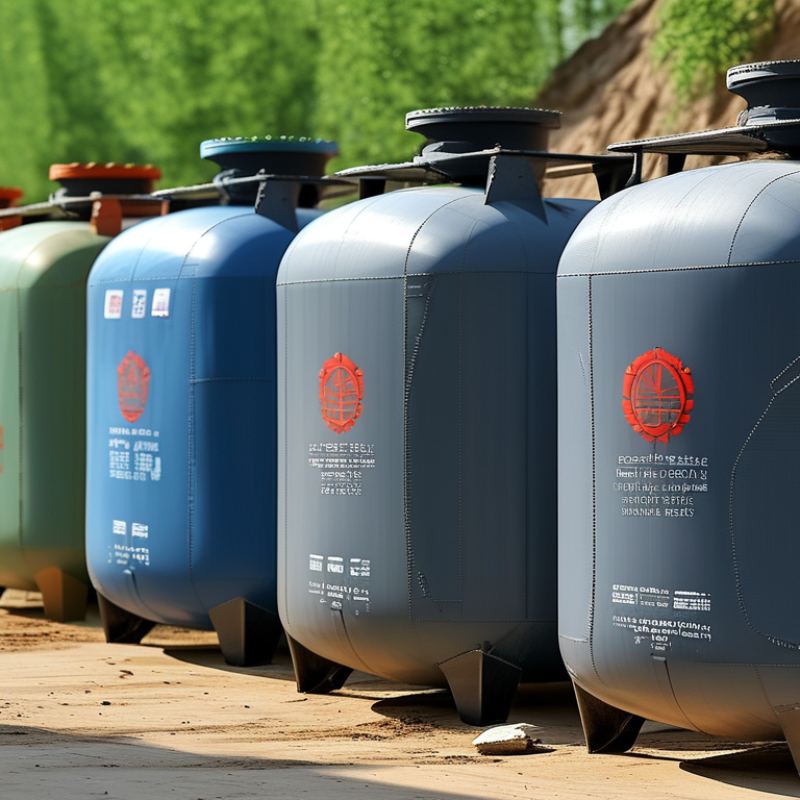
A flexible water tank is a sealed, collapsible container for storing water. It usually uses reinforced fabric with a waterproof inner coating. The fabric provides strength, while the coating limits leakage and contamination. Unlike a rigid tank, it expands as water enters. When empty, it becomes compact and easier to transport. During filling, water spreads across the tank’s internal space. A vent helps release trapped air during this process. The tank needs a level, clean surface without sharp stones or metal edges. Small surface damage can become a serious leak. It is not maintenance-free.
From practical inspections, fittings often reveal manufacturing quality. Strong inlet and outlet connections should resist twisting during installation. Seams should look even, firmly bonded, and free from visible gaps. A reliable supplier should explain material layers, capacity limits, testing methods, and storage conditions clearly. Ask for sample inspection records and dimensional drawings. Do not rely only on attractive photos. The tank must match the water type, climate, installation area, and expected filling frequency. Direct sunlight can weaken some materials over time, so shade may be necessary. A common mistake is selecting capacity without checking access space. The tank may fit on paper but fail during delivery or setup. Product information should also describe cleaning procedures and repair options. Clear communication matters when custom openings or unusual dimensions are required.

A reliable Chinese flexible water tank supplier proves quality through repeatable details, not attractive catalogs. The first check is material control. Ask for the fabric specification, coating type, thickness, and test reports. Potable-water projects need documented compliance with applicable local standards. Production records should link each tank to a batch, operator, and inspection date. This traceability matters when a seam fails months later.
Factory experience should be visible on the production floor. Look for clean cutting tables, calibrated welding equipment, and protected storage areas. Request a pre-shipment inspection with photos, dimensions, fittings, and leak-test results. A dependable supplier explains how the tank handles ultraviolet exposure, temperature changes, abrasion, and uneven ground. It should also advise on inlet placement, overflow design, cleaning access, and installation training. Clear drawings reduce mistakes at remote sites.
Communication is another practical feature. Replies should identify risks, not simply promise delivery. Lead times, replacement parts, packaging, and warranty terms must appear in writing. A small trial order can reveal packing quality and response speed. My own early evaluation focused too much on price; a low quote hid thinner fabric and limited support. That mistake changed the checklist. No supplier is perfect, so ask how complaints are recorded and corrected. A reliable partner accepts technical questions, shares evidence, and improves when field feedback exposes a weakness.
Choosing a flexible water tank supplier requires more than comparing prices. Material selection affects service life, taste, and safety. Common options include PVC-coated fabric and TPU film. Ask for the fabric weight, UV resistance, temperature range, and water-contact test results. The UN World Water Development Report 2024 states that 2.2 billion people still lack safely managed drinking water. Storage quality therefore deserves serious attention, even for temporary projects.
Manufacturing details reveal supplier competence. Check whether seams use radio-frequency welding or another controlled process. Request batch numbers, welding records, dimensional checks, and pressure or leak-test reports. ISO 9001 certification helps, but it is not proof of excellent tanks. The ISO Survey 2022 recorded over 1.2 million ISO 9001 certificates worldwide. A certificate alone cannot show how a factory handles one difficult seam. I would inspect production samples, not only polished documents. Small weaknesses often appear near corners, valves, and lifting points.
Tips: Request a sample cut, coating specification, and independent test report. Confirm potable-water compliance for your destination. Ask how failed units are recorded and corrected. Check packaging, spare fittings, and after-sales response times. A supplier avoiding technical questions may still offer a low quote. That is not always a bargain.
Choosing the best flexible water tank supplier in China requires more than comparing prices. Certification must match the tank’s intended use and destination market. The WHO/UNICEF Joint Monitoring Programme reported that 2.2 billion people lacked safely managed drinking water in 2022. That statistic makes material safety a purchasing priority, not a marketing detail.
For potable water, buyers should request ISO 9001 quality-management certification, food-contact test reports, and migration, odor, taste, and microbiological safety results. ISO’s 2022 Survey recorded over 1.26 million ISO 9001 certificates worldwide, but certification alone does not prove tank suitability. Ask for batch traceability, laboratory names, test dates, and factory audit records. Regional approvals may also apply, such as NSF/ANSI 61, WRAS, or equivalent local requirements. Requirements differ.
Customization should cover capacity, shape, fabric grade, UV resistance, reinforcement, inspection ports, vents, and inlet or outlet fittings. A supplier should provide drawings before production. Check whether fittings use compatible materials and whether the seams receive documented leak testing. For irrigation or emergency storage, specifications may differ from drinking-water service, so one universal tank design can be a poor compromise.
A useful technical request includes operating temperature, installation surface, filling frequency, empty weight, and expected service life. I would also ask for a sample inspection, although this step is sometimes skipped under budget pressure. That shortcut can create expensive problems later. Industry water reports show urgent demand, but reliable procurement still depends on evidence, not impressive claims.
Choosing a flexible water tank supplier requires more than comparing factory prices. The 2023 WHO/UNICEF Joint Monitoring Programme reported that 2.2 billion people lacked safely managed drinking water in 2022. This pressure makes material safety, leak prevention, and delivery reliability essential. Ask for technical drawings, test reports, material specifications, and batch traceability before discussing discounts.
The 2023 WHO/UNICEF Joint Monitoring Programme reported that 2.2 billion people lacked safely managed drinking water in 2022.
Inspect the fabric closely. It should have consistent coating, clean welds, reinforced lifting points, and a clearly stated service temperature. For potable water projects, check compliance with NSF/ANSI/CAN 61 or an equivalent recognized standard. ISO 9001 certification shows a quality system, but it does not guarantee every tank is reliable. That distinction matters.
Request evidence, not promises. A capable supplier should explain hydrostatic testing, seam inspection, repair procedures, and storage conditions. The 2024 Logistics Performance Index shows that customs clearance and shipment reliability remain important differences between trading partners. Therefore, compare production capacity, export experience, packaging methods, and replacement-part support. I would also conduct a video factory audit or arrange an independent inspection. Photos can hide weak seams. My own imperfect rule is simple: score suppliers on quality, documentation, communication, lead time, and total landed cost. A low quotation may become expensive after delays, repairs, or unclear warranty terms.
Sierramotion engineers help customers design solutions to complex motion problems. Whether a simple coil, or a precision motion assembly working in vacuum, Sierramotion has the experience to create a solution that works the first time.